Key Takeaways
- EU inspection reports from 2020-2025 reveal systemic issues at VFS Global centres in India, including unencrypted biometric data storage and mishandling of passports.
- Travel agents are exploiting the system with fake appointments and visa shopping, while VFS faces criticism for unclear communication on optional paid services.
- The European Commission has acknowledged the need for better oversight of external service providers (ESPs) like VFS Global.
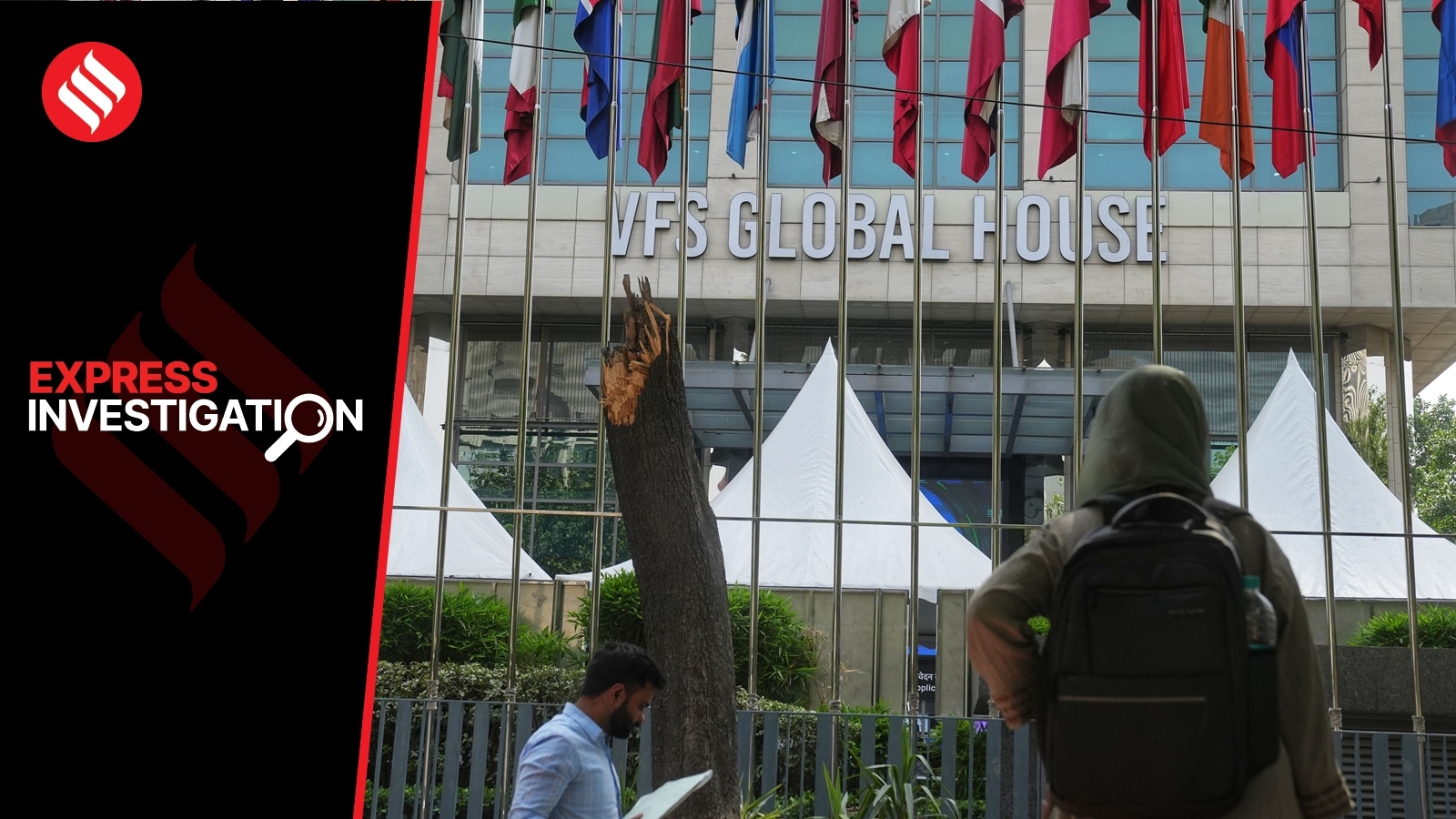
A Troubling Discovery for Indian Travelers Every year, over a million Indians apply for a Schengen visa to explore Europe's 27 countries. For most, the process goes through VFS Global, a private company that manages visa applications at centers across India. But new investigative reports have pulled back the curtain on serious problems.
Lighthouse Reports, a non-profit investigative newsroom, obtained 150 inspection reports from European authorities covering VFS Global centres in 20 EU member states between 2020 and 2025. The reports were sourced through more than 40 Freedom of Information (FOI) requests. Media partners in 11 countries, including The Indian Express in India and Der Spiegel in Germany, collaborated on the investigation.
The findings paint a concerning picture: insecure data storage, fake appointments, and confusing fees have plagued the visa process for years. Some of the most detailed concerns come from the Embassy of Luxembourg, which works with 13 VFS centres across India.
Data Security Breaches: Unencrypted Discs and Exposed Biometrics
One of the most alarming findings involves how personal data is handled. A 2022 Luxembourg inspection flagged that biometric identifiers of applicants were being saved on unencrypted compact discs for transfer to consulates. When errors occurred during collection or transmission, biometric data was even sent over open, unencrypted email.
The auditors also discovered that compact discs containing scanned applications and biometric data were not being destroyed regularly, despite a shredder being available. CDs with data older than 18 months were found on the premises. This violates the EU's General Data Protection Regulation (GDPR), which requires strict safeguards on sensitive data like fingerprints and financial details.
A 2024 inspection with Germany and Poland confirmed that VFS Global's services were not compliant with GDPR rules. This is especially concerning for applicants who trust VFS with their passport copies, bank statements, and biometric information.
Visa Shopping and Fake Appointments: A Travel Agent Scam
The reports also highlight the widespread practice of visa shopping —where applicants obtain a Schengen visa from one country but actually plan to travel to another. This is often orchestrated by travel agents who exploit the system to get faster approvals.
Luxembourg's embassy noted that monthly reports from VFS showed consistently high no-show rates, particularly in cities like Ahmedabad, Chandigarh, and Jalandhar, sometimes exceeding 50%. The embassy said it still detected files "created to fit Luxembourg as a destination when the real main destination is clearly another Member State."
Alongside visa shopping, a 2024 inspection in New Delhi revealed a surge in fake appointments sold by travel agents. The same agents were also selling fake employment contract letters to support national work visa applications. While the embassy considered this outside VFS's direct responsibility, it underscores the vulnerability of the current system.
Confusing Premium Services and Hidden Fees
VFS Global offers optional value-added services (VAS) like premium lounge access, courier fees, and SMS updates. But the inspections found that applicants are often not clearly informed that these services are optional and have no link to visa approval.
In 2025, the Swedish mission's inspection of VFS's Mumbai office found a single failing in compliance: VAS services were not clearly marketed as optional. The report stated: "VFS must mention VAS services as optional and this information must be clearly visible to the applicant. Information must also be updated on their website."
At the Mumbai centre, counters were separated only by low dividers, meaning conversations between applicants and staff were not private. The Swedish mission also noted that Vasco, another visa company, was operating on the same floor, causing confusion. Vasco has since moved out.
Mishandling of Passports and Fees: The Swiss Case
A 2023 inspection by the Swiss mission of VFS's New Delhi office found passports sent back in 2020 still sitting at the centre. The report criticized the lack of secure storage: "We do not think that there are enough safes for the high season."
Swiss auditors also uncovered problems with fee reimbursements. When applicants were incorrectly charged, VFS mishandled the refund process, leading auditors to comment bluntly: "This does not work at all."
- Key compliance failures for Switzerland included:
- Not making the "Schengen and personal data" factsheet available at counters or online.
- Not submitting an annual list of additional services and verifying their charges.
- Passports from 2020 still in VFS's possession.
VFS Global's Response and European Commission Action
VFS Global has rejected the allegations, stating that its operations are "subject to rigorous and continuous government oversight." The company says it serves 71 governments and follows strict protocols.
However, the European Commission has acknowledged the growing reliance on external service providers like VFS and called for better quality control. In its recently adopted EU Visa Policy Strategy, the Commission stated that the "growing reliance by Member States on ESPs to handle parts of the visa process calls for improved quality control and monitoring."
Some issues have been addressed. For instance, Hungary's 2021 inspection found that applicant data older than one month was still accessible, violating the Schengen visa code's 7-day deletion rule. VFS resolved the problem with IT support, and the report confirms that "data retention rules are fully respected now."
What This Means for Indian Travelers
This investigation raises important questions for anyone applying for a Schengen visa from India. While VFS Global is a vital gateway, these reports suggest that applicants should be vigilant.
- Check your data: Be aware of how your personal information is handled and ensure you receive clear confirmation of deletion.
- Avoid travel agent scams: Only use authorized agents; never pay for fake appointments or visa shopping services.
- Understand optional services: VFS's premium services are not required for visa approval. If you feel pressured to buy them, file a complaint.
The good news is that the EU is pushing for reforms. As oversight improves, the hope is that the visa process will become more transparent and secure for the millions of Indians eager to travel to Europe.
With reporting from Lighthouse Reports, The Indian Express, Der Spiegel, and Le Monde.