Key Takeaways:
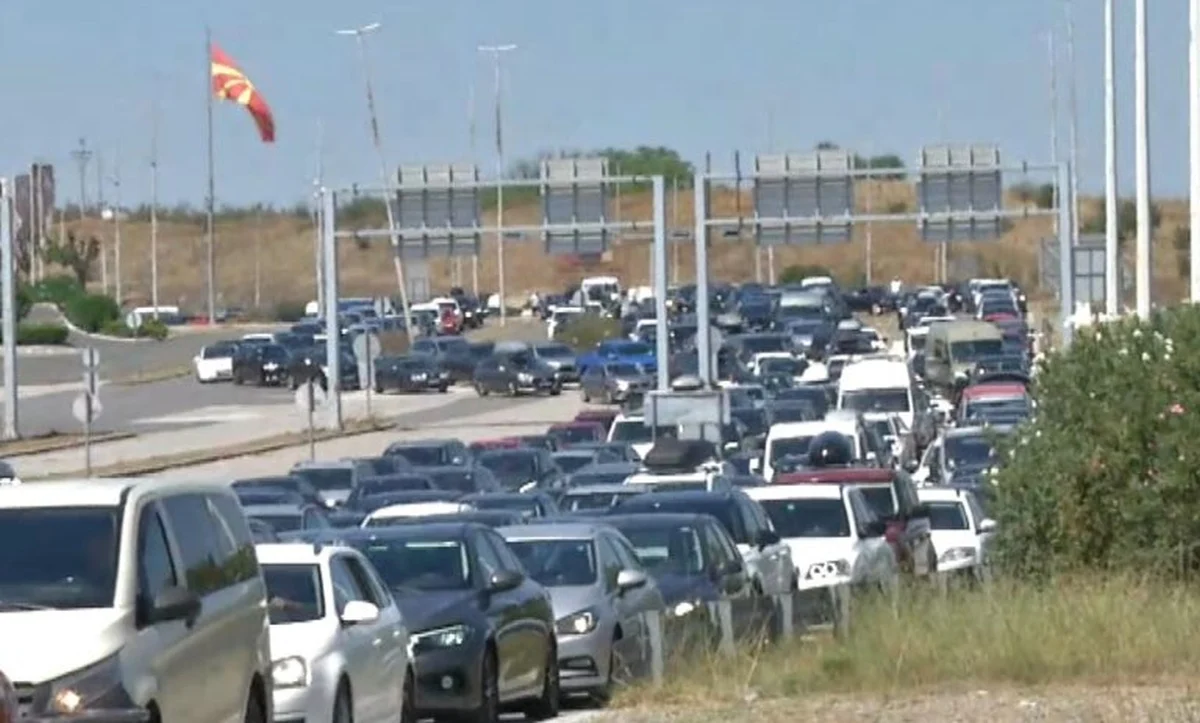
- Long queues of up to two hours for cars and over five hours for buses at Evzoni border crossing.
- Delays caused by the full rollout of the EU's Entry/Exit System (EES) , requiring biometric registration for third-country nationals.
- Thousands of families and holidaymakers heading to popular Greek summer destinations affected ahead of the weekend.
- EU says EES aims to strengthen security and improve border management in the long term.
Chaos at Evzoni: First Major Test of EU Biometric Checks
Since early this morning, the Evzoni border crossing on the Greek-North Macedonian border has been overwhelmed by massive queues. Travelers are facing severe delays due to the full implementation of the European Union's new digital biometric border control system, the Entry/Exit System (EES).
Waiting times for private cars have reached around two hours, while delays for tourist buses and coaches are exceeding five hours. This has caused significant disruption for drivers and passengers attempting to enter Greece, as reported by local media.
Summer Exodus Meets Digital Hurdles
Among the thousands of travelers stuck in line are many families and holidaymakers heading to popular summer destinations in northern Greece, including Halkidiki, Kavala, and Pieria. The timing could not be worse – this is the first major wave of beach-bound travel ahead of the weekend.
Heavy traffic is expected to continue throughout the weekend, with authorities warning of further delays as the system fully kicks in.
What Is the EES and Why Is It Causing Delays?
The delays are directly linked to the European Union's new Entry/Exit System (EES) , which provides for the electronic and biometric registration of third-country nationals entering or leaving EU member states for stays of up to 90 days.
According to European authorities, the main objectives of the new system are:
- Strengthen security within the Schengen area
- Improve border management and prevent illegal migration
- In the long term, speed up border checks by automating processes
However, the rollout has proven challenging at busy land borders. Unlike airports, where kiosks can manage passenger flow, land crossings like Evzoni face bottlenecks as staff manually process biometric data for hundreds of travelers at a time.
Impact on Travelers and Local Tourism
The disruption comes as a blow to Greece's tourism sector, which relies heavily on summer visitors. Travelers arriving by bus are particularly affected, with delays of over five hours proving especially grueling for families.
Key points for travelers to consider:
- Plan extra time when crossing at Evzoni this weekend.
- Check official updates from Greek border authorities.
- Consider alternative routes like the Promachonas border crossing if possible.
- Third-country nationals must have biometric passports ready.
What’s Next for EU Border Controls?
The EES is part of a broader EU push toward digital border management. While the long-term goal is faster, more secure travel, initial implementations at land borders are testing the system’s capacity.
The situation at Evzoni highlights the growing pains of integrating advanced technology into high-traffic land crossings. As the summer season intensifies, officials may need to deploy additional staff or temporary measures to ease congestion.
For now, travelers are advised to stay informed and prepare for potential delays when crossing into Greece via this route.